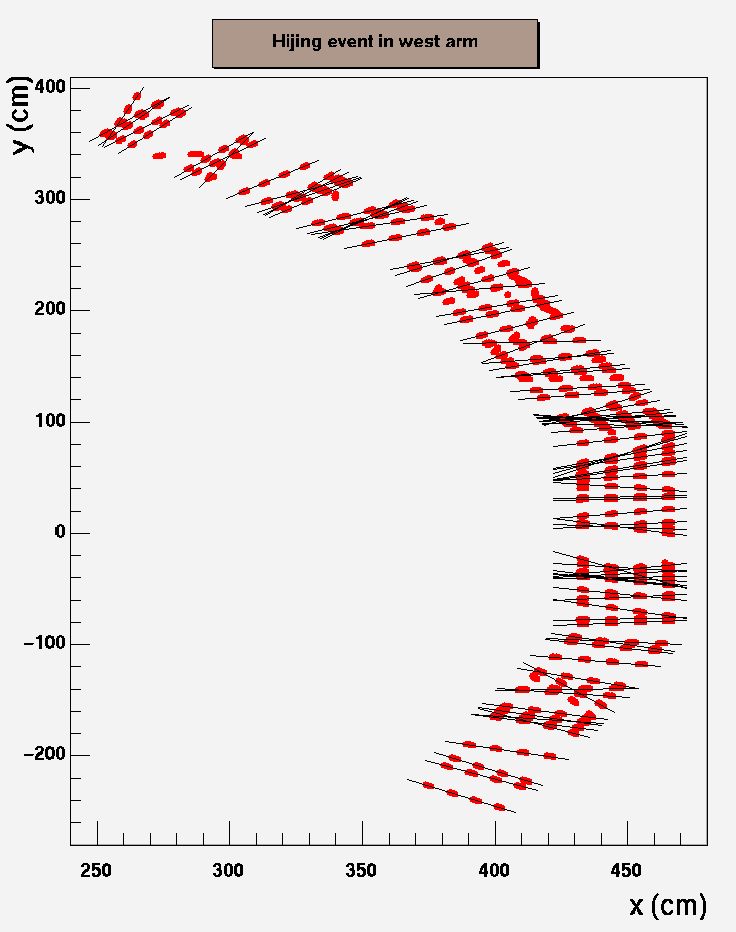
Tracks in the West arm:
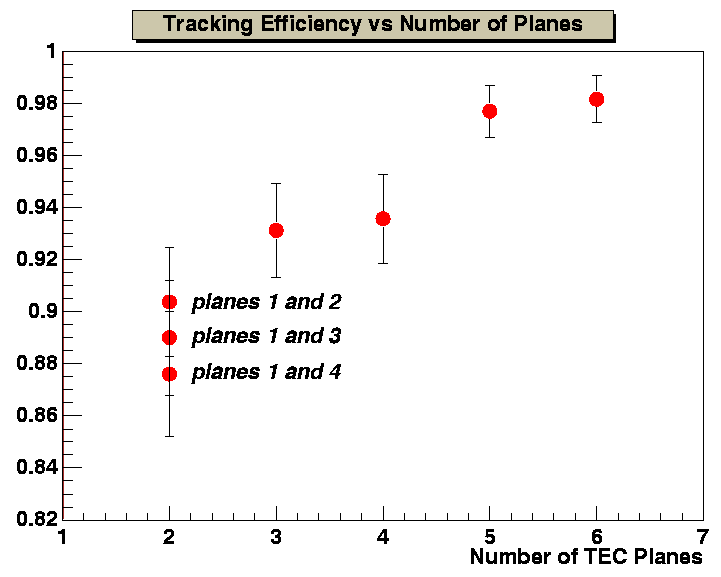
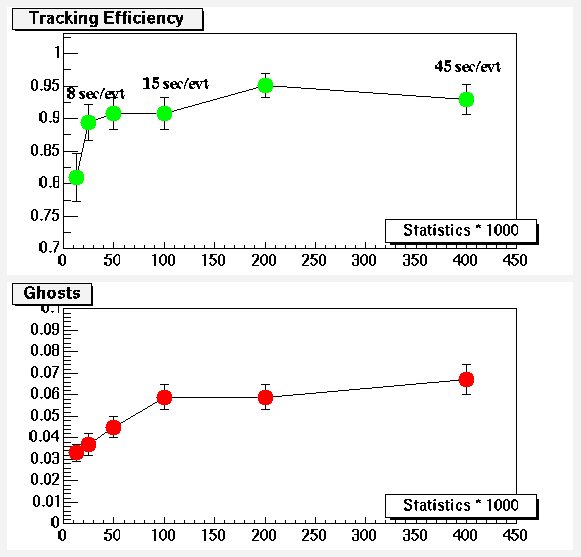
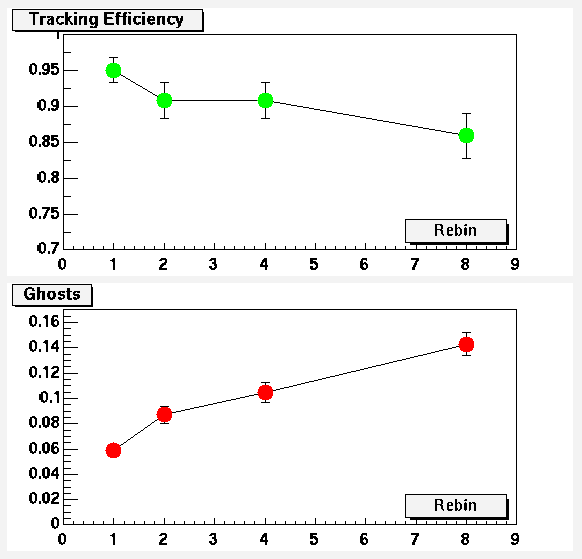
Following two plots show tracking efficiency and fraction of ghost tracks
as a function of number of TEC hit pairs (statistics) and rebinning
of time bins (there are 80 of them).
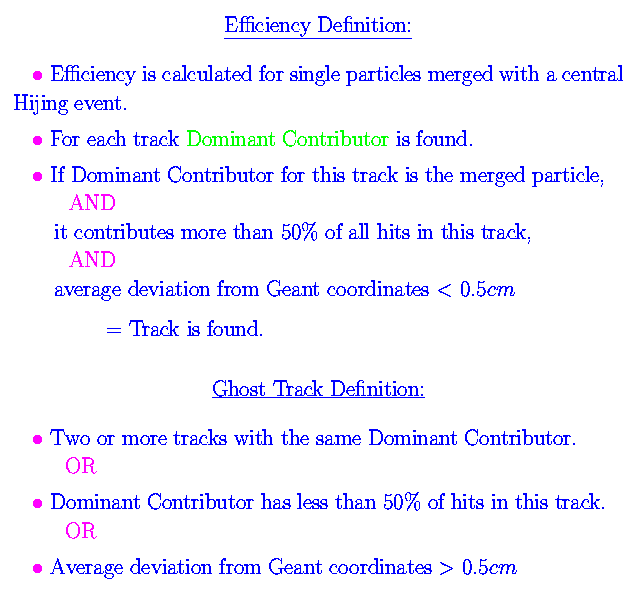
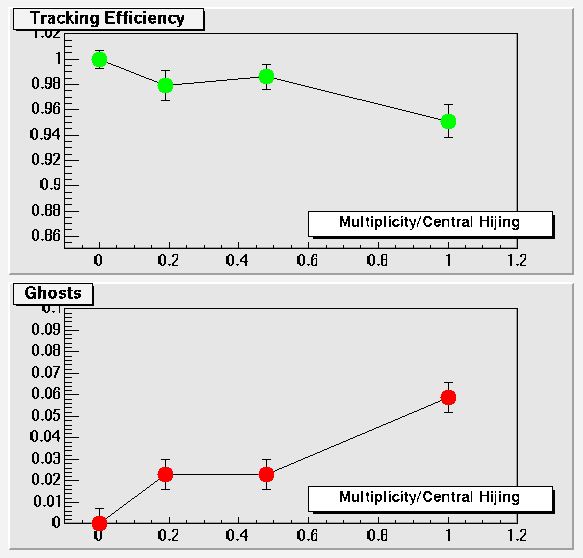
Tracking efficiency is calculated by merging single particles with a central
Hijing event and then trying to find a track corresponding to this merged
electron. Exact definition of the tracking efficiency and ghost track
can be found here.
Typical time to run TEC tracking on AlphaStation 500
is shown on the first
plot. For comparison, it takes 12 seconds to run mTecSlowSim for a
central Hijing event on this machine.
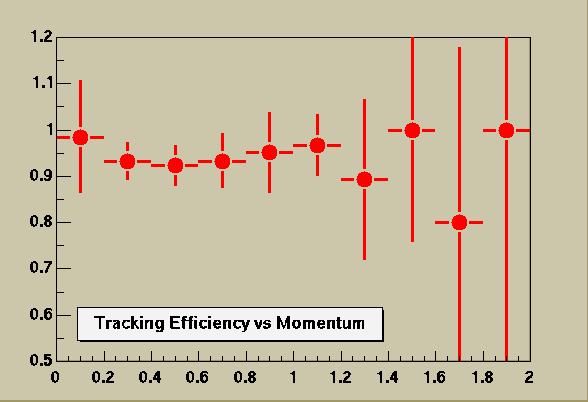
Efficiency as a function of event multiplicity:
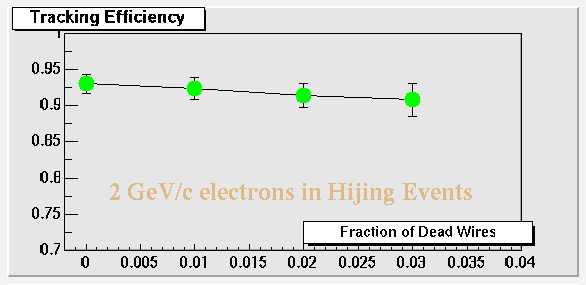
Efficiency as a function of the fraction of dead wires. Tracking efficiency decreased by 0.75% per each percent of dead wires (1% of dead wires means 4-5 dead wires in each TEC plane):
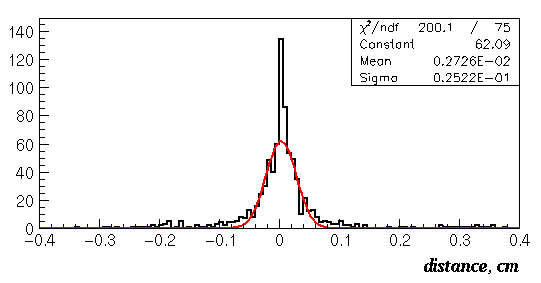
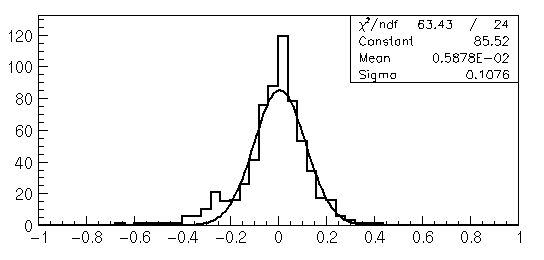
Next plot shows distribution of distances between Geant entry and exit coordinates and reconstructed tracks in TEC in case of single 2 GeV/c electrons. Horisontal axis is in cm, space resolution is 0.252 mm. On this plot only tracks which fired at least 6 wires in all 4 planes are shown (i.e. tracks perpendicular to TEC are excluded). Tracks are refitted after hit matching. Similar plot without track refitting can be found here.